Ticks
Tick Control
Experts
Your Tick problem, Gone For Good, Guaranteed. Fast, effective tick elimination with guaranteed results. Our proven methods eliminate entire populations and prevent future infestations.
Understanding Ticks
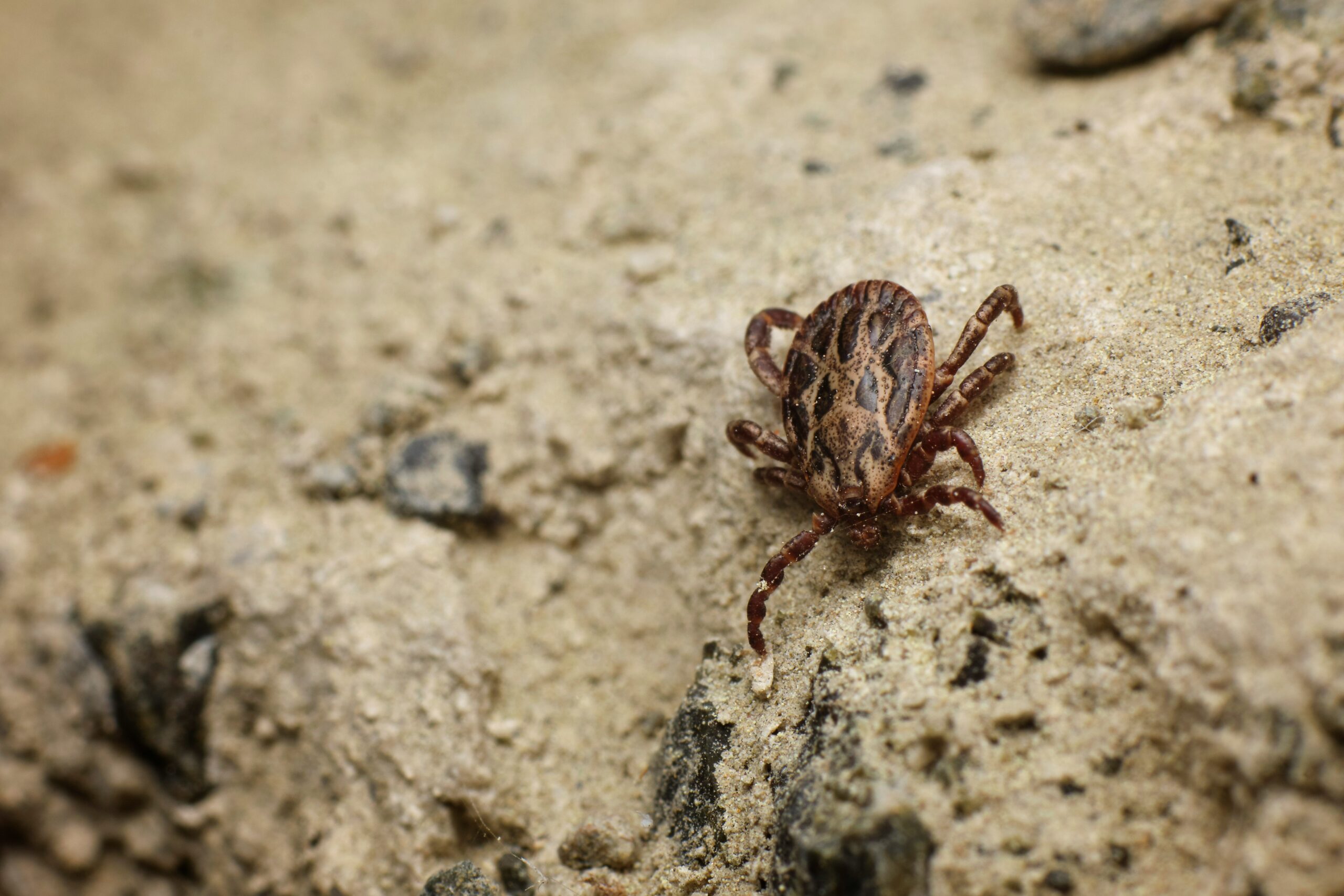
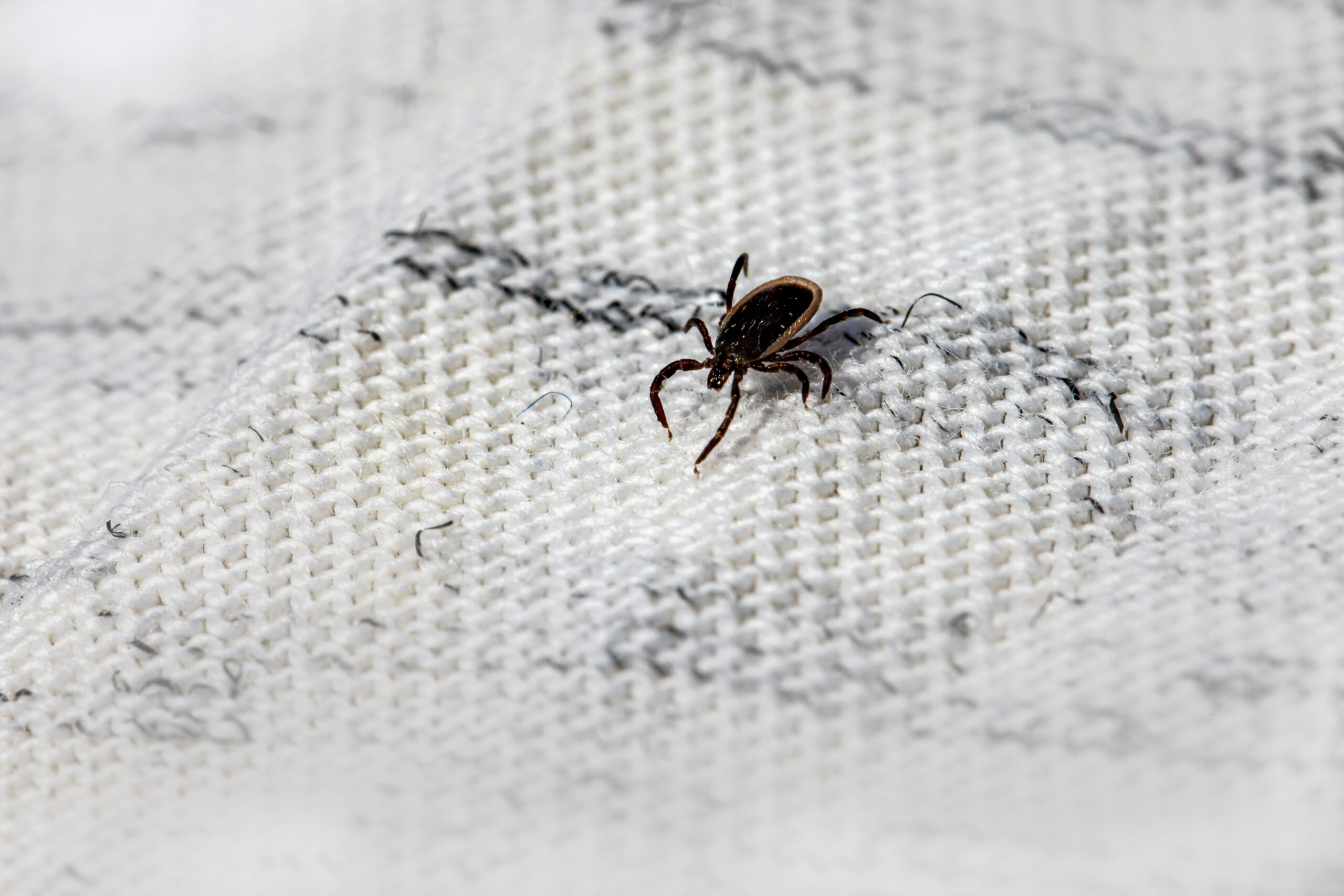
Deer ticks are hard ticks, 1/16 to 1/8 inches long, and orange-brown except for the head, shield behind the head, and legs which are dark reddish-brown. Their mouthparts are easily seen when viewed from above. Their bodies are flattened and shaped like a tear drop.
The Life Cycle of Ticks
During the winter, adult ticks feed on deer. In the spring, engorged females drop off of the host animal and lay 3,000 eggs in a protected area. The eggs hatch in 48-135 days, and from June through September, the larvae seek and feed on small rodents. After molting to the nymph stage, the ticks once again seek hosts and feed only once for three to nine days on larger animals such as raccoons, opossums, and squirrels. Nymphs are found from April through August of the following season. After 25-56 days, engorged nymphs molt to the adult stage which usually feed on deer. Adults live long enough to mate and for the female to lay eggs and then die.
Tick Behavior and Dangers
This tick is a three-host tick, i.e., they require different and successively larger host animals in order to complete development. The larvae and adults commonly infest white-footed deer mice and deer. However, the nymphs have a much wider range of hosts, including humans. It is this stage which is responsible for the transmission of Lyme disease, the most significant tick-borne disease in the U.S. Annually more than 10,000 people are infected with this disease.
Keep Ticks Away From Your Property
Simple steps to reduce tick attraction and prevent future infestations.
Maintain Your Yard
Keep grass mowed, clear leaf litter, and trim shrubs and trees to reduce tick habitats.
Create Barriers
Install an 18-inch wide barrier of wood chips or gravel between wooded areas and lawns.
Protect Pets
Use veterinarian-recommended tick control products on pets and check them regularly for ticks.
Talk to an Expert
We’ll be in touch to personalize your pest protection plan:
Need Immediate Tick Control?
Don’t wait for the problem to get worse. Our emergency team is ready to respond 24/7 to severe tick infestations.