Ants
Ant Control
Experts
Protecting your Home and Family from ANTS. Fast, effective ant elimination with guaranteed results.
Why Ants Are a Problem
Ants are one of the most common invasive pests, often entering homes in search of food and water. While some are merely a nuisance, others can cause significant damage or spread bacteria.
Property Damage
Species like Carpenter Ants can tunnel through wooden structures, compromising their integrity.
Rapid Infestation
Ant colonies can grow very large and establish multiple nests, making them difficult to eradicate without professional help.
Food Contamination
Ants forage for food and can contaminate your stored food items and meal preparation areas.
Persistent & Invasive
Ants are resourceful and can find entry points into even well-maintained homes, establishing trails and nests quickly.
Ant Facts
Understanding common ant behavior and biology
Common Ant Types
Different ant species require targeted approaches to effectively eliminate them from your home.

Odorous House Ants
These are really small ants that can easily live inside of your home. They are so small that they can find ways into your wall voids. Odorous house ants smell like rotten coconut when smashed.
Pavement Ants
These little black ants are often found building their cone shaped colonies in the cracks of your sidewalk. You can also find them invading any structure that is built on the ground level.
Carpenter Ants
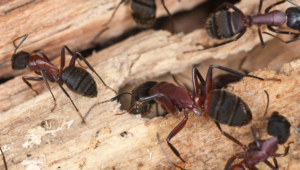
Carpenter ants do not eat wood, but they burrow through it and create the tunnels and galleries that will form their nest. While not as destructive as termites, carpenter ants can still do a lot of damage.
Pharaoh Ants
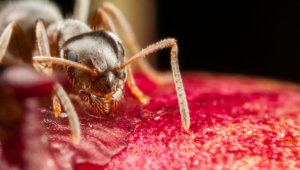
If you see a small yellow ant in your home, you are probably looking at a Pharaoh ant. These ants love anything sweet and are completely happy to create nests inside of homes and buildings.
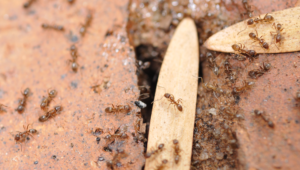
Argentine Ants
This species of ant does not swarm. Instead, argentine ants create connecting colonies with a queen for each one. This strategy makes them difficult to eliminate because there are so many egg-laying queen ants.
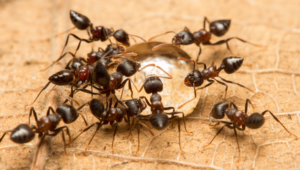
Acrobat Ants
Acrobat ant nests are most often found in areas with moisture. That means if you have high moisture areas in your home, that is where this type of ant will build it’s nest.
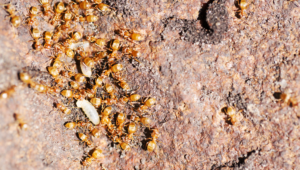
Thief Ants
These tiny ants get their name from their questionable activity. They sneak into larger ants nests and steal larva. If a thief ants get into your home, they will gladly switch from eating stolen larva to stealing your food.
Professional Ant Elimination
Our proven 4-step process ensures complete elimination and long-term prevention
Inspection
Thorough examination to identify ant species, entry points, nesting areas, and infestation severity.
Custom Plan
Develop targeted treatment strategy based on ant species and your property’s unique conditions.
Treatment
Apply professional-grade baits, sprays, and growth regulators to eliminate existing ants and their colonies.
Prevention
Ongoing monitoring and maintenance to prevent re-infestation with regular follow-up treatments.
Advanced Elimination Techniques
We use the latest professional-grade methods for maximum effectiveness
Ant Baits
Professional-grade baits that ants consume and carry back to their colonies, effectively eliminating the entire nest, including the queen.
- Targets entire colonies
- Low-toxicity for indoor use
- Long-lasting residual effect
Residual Sprays
Professional residual insecticides applied to ant trails, entry points, and nesting sites for immediate knockdown and reliable barrier protection.
- Immediate results
- Effective outdoor barrier
- 30-90 day protection
Targeted Nest Treatment
Direct treatment of identified ant nests, including those in wall voids or soil, to eradicate the colony at its source.
- Eliminates colonies directly
- Prevents re-establishment
- Ensures complete eradication
Keep Ants Away
These simple steps help you reduce ant attraction and prevent future infestations in your home.
Maintain Cleanliness
Wipe up crumbs and spills immediately, store food in airtight containers, and empty trash regularly.
Trim Vegetation
Keep tree branches and shrubs trimmed away from your home to prevent ants from using them as bridges.
Seal Entry Points
Seal cracks in foundations, caulk around windows and doors, and repair screens to block ant entry.
Talk to an Expert
We’ll be in touch to personalize your pest protection plan:
Need Immediate Ant Control?
Don’t let ants take over your home! Our emergency team is ready to respond to severe infestations and give you peace of mind.