GARDEN SPIDERS
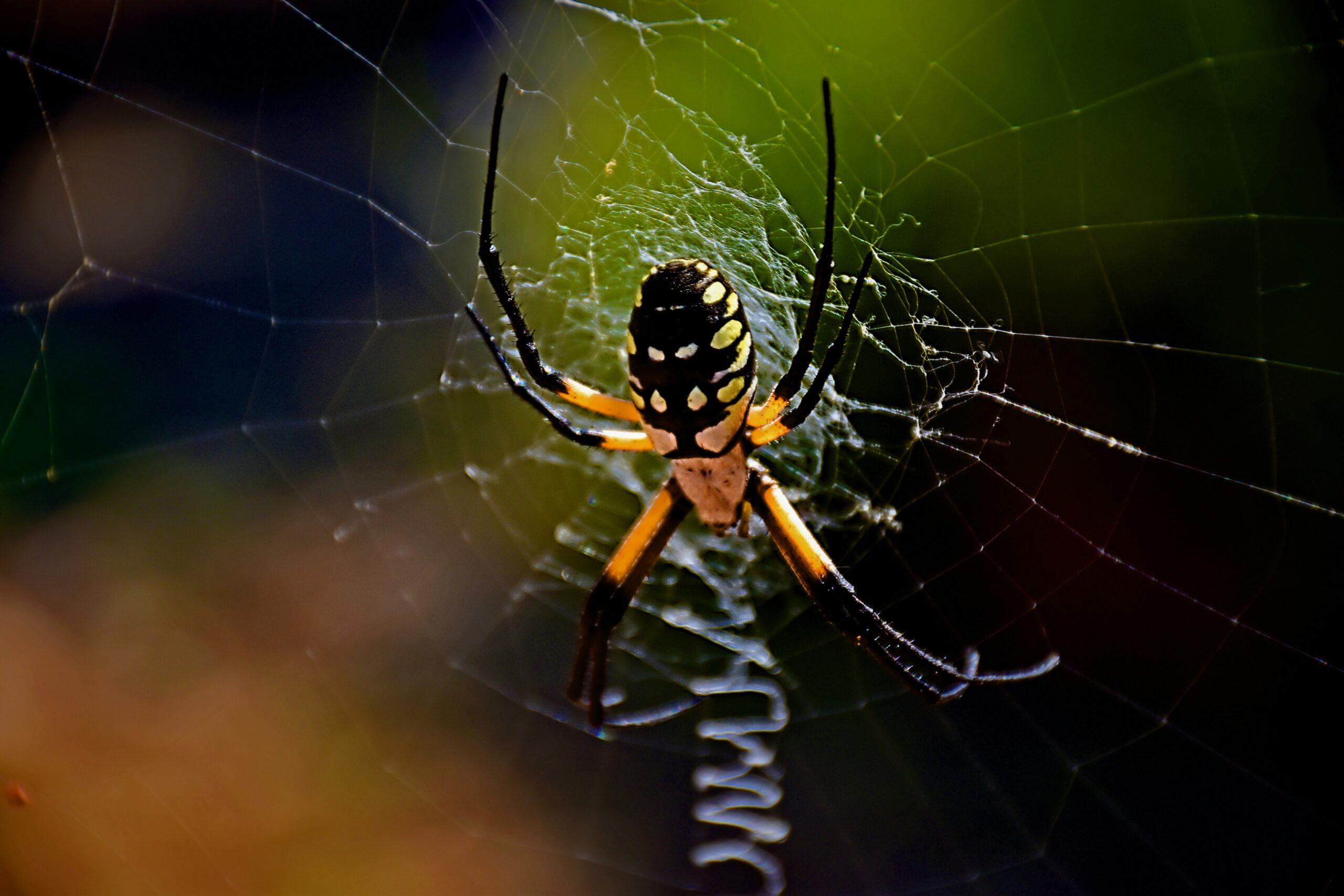
Garden Spider
Control
Your Spider problems, Gone For Good, Guaranteed.
Understanding Garden Spiders
As their name suggests, garden spiders are found outdoors and in gardens. They are not aggressive and are more likely to retreat from than attack humans.
Appearance
Garden spiders measure approximately one inch in length or larger and are often marked vividly in black and yellow.
Temperament
They are not aggressive and prefer to retreat from humans rather than attack.
Bites
In cases of extreme provocation, garden spiders may bite, but their bites are harmless to humans.
Garden Spider Life Cycle and Behavior
Learn about the interesting biology and reproductive habits of garden spiders.
Mating Rituals
The garden spider uses its extraordinary sense of touch for mating, as males tap upon the webs of females to express their intent.
Male Sacrifice
Because males spend the mating season obsessively seeking partners, they typically die of exhaustion and malnutrition following fertilization.
Egg Laying
In the fall, garden spiders lay their eggs in silken sacs that contain between 50 and several hundred eggs.
Hatching & Dispersal
Young spiderlings overwinter within their eggs. In spring, they hatch and disperse. Female garden spiders die soon after laying their eggs and are not able to protect or assist their spiderlings.
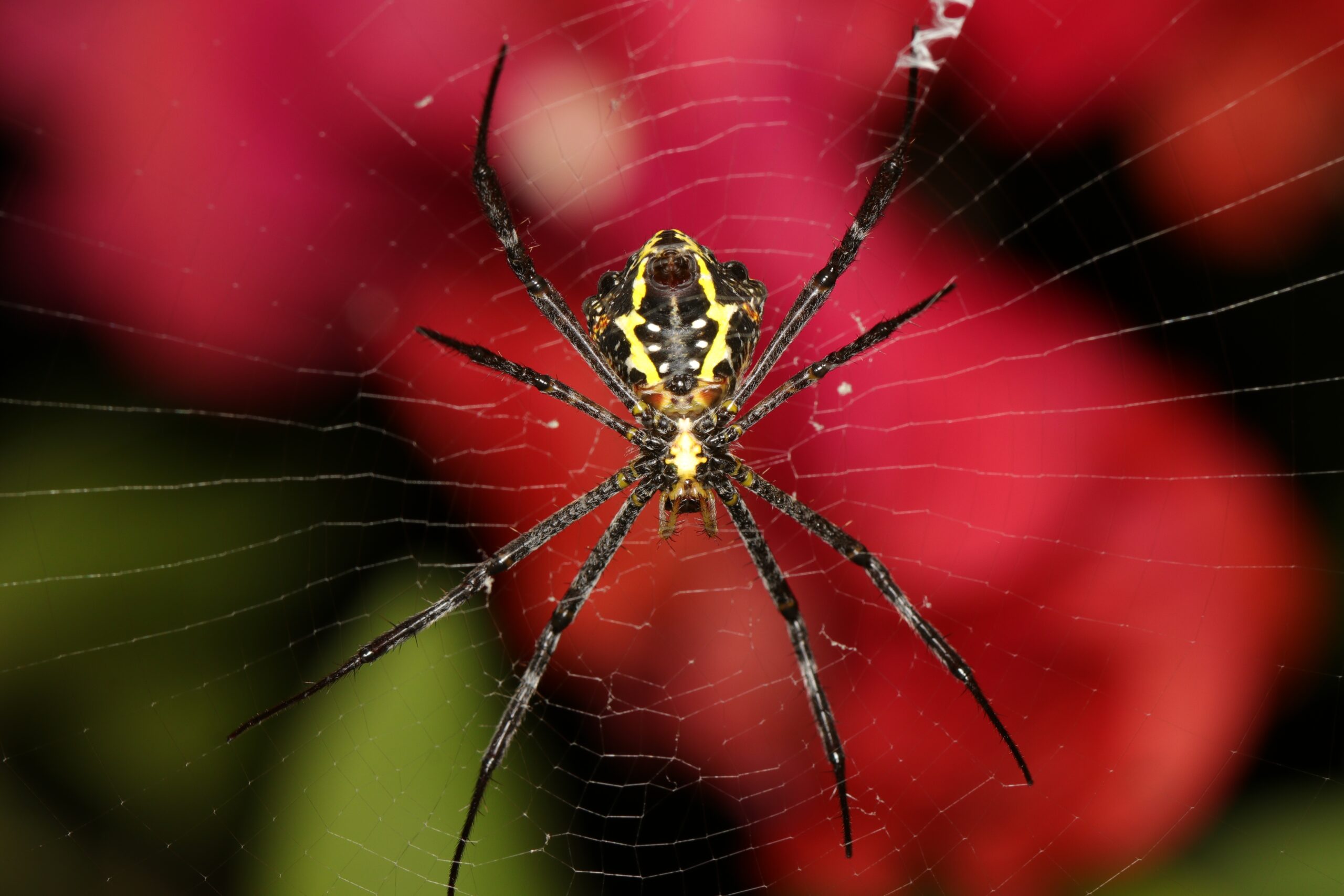
Web Building and Hunting
Garden spiders are renowned for their intricate orb-shaped webs and specialized hunting techniques.
Orb Weavers
Garden spiders are known as orb weavers due to their orb-shaped, delicate webs. Even garden spiderlings are capable of spinning these intricate structures without the assistance of mature spiders.
Strong Webs
The webs of garden spiders are notoriously strong, and may reach more than 12 inches in diameter. The garden spider uses its web to capture food.
Tactile Hunters
Although their eyesight is poor, garden spiders are extremely sensitive to vibrations along the strands of their webs. Positioning themselves at the center of their web, garden spiders hang upside down, jump on prey and paralyze it with injected venom.
Keep Garden Spiders at Bay
While generally harmless, these tips can help manage garden spider presence around your home.
Clear Clutter
Remove piles of wood, rocks, and debris from around your home’s foundation to eliminate potential hiding spots.
Pest Control
Regular pest control for other insects will reduce the spider’s food source, encouraging them to relocate.
Seal Entry Points
Seal cracks and openings in your home’s foundation, screens, and window frames to prevent spiders from entering.
Need Immediate Pest Control?
Don’t let spiders or other pests take over your home. Our emergency team is ready to respond 24/7.
Talk to an Expert
We’ll be in touch to personalize your pest protection plan: