ROOF RATS
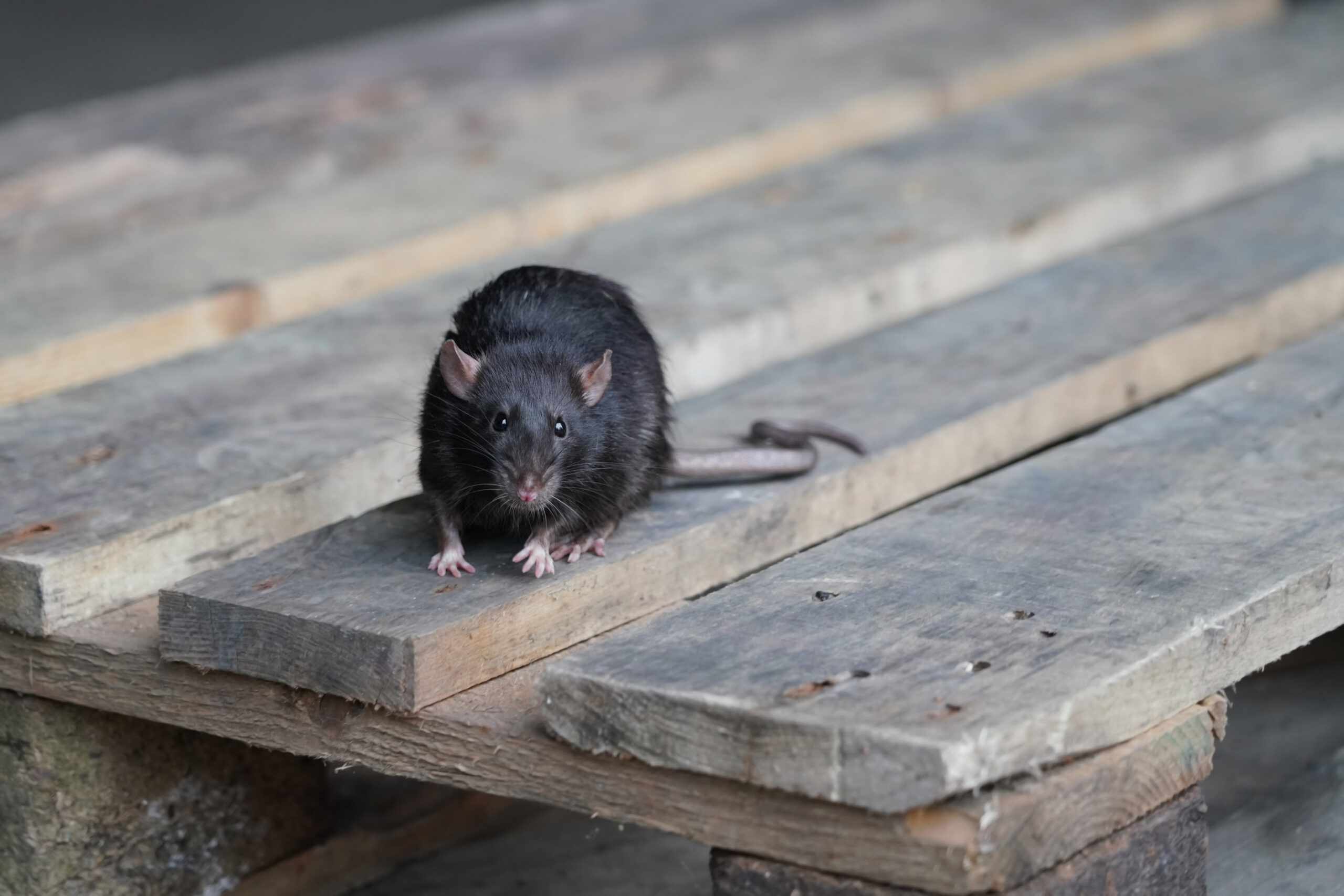
Roof Rats
Gone For Good
Your Rats Problem, Gone For Good, Guaranteed.
Understanding Roof Rats
Roof rats are thin, sleek-looking rats with tails longer than their bodies. They prefer to nest above ground, posing unique challenges for homeowners.
Distinctive Appearance
Thinner body, pointed nose, large ears, darker brown to black fur, and a tail noticeably longer than its body length.
Arboreal Habits
Prefers to nest above ground level, in structures or foliage, differentiating it from the Norway rat.
Small Entry Points
Can enter through an opening no wider than half an inch, making exclusion challenging.
Omnivorous Diet
Preferred foods include snails, nuts, grains, and fruit, often found in nicely landscaped yards.
Roof Rat Facts
Understanding these pests is crucial for effective control.
Biology of the Roof Rat
In a suitable environment, Roof Rats breed throughout the year, with a female producing three to six litters of up to ten young. Females may regulate their production of offspring during times when food is scarce, throwing as few as only one litter a year. This rat lives for about 2–3 years. Social groups of up to sixty can be formed. Rats are capable of producing up to 25,000 fecal droppings each year.
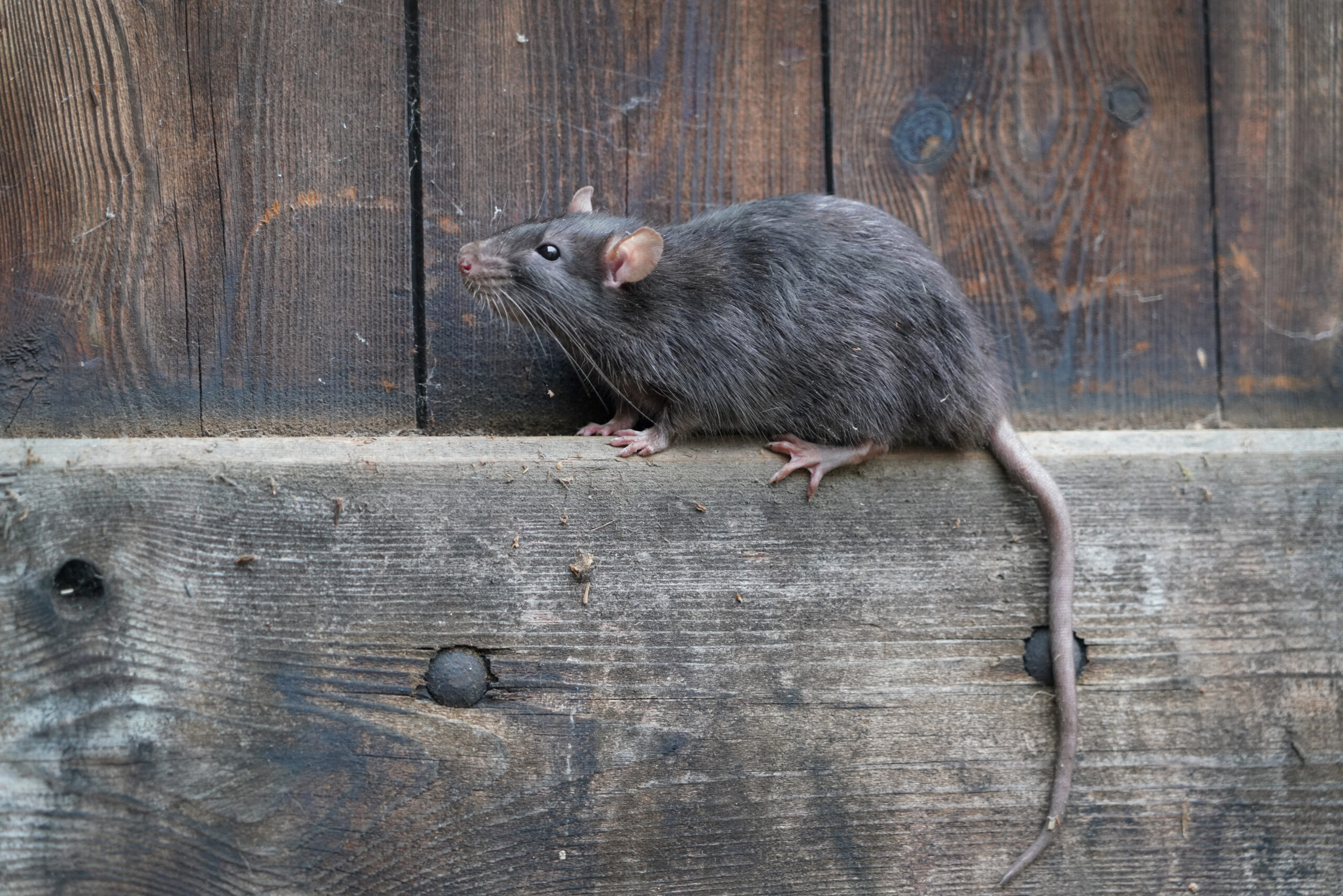
Habits of Roof Rats
Understanding the habits of roof rats is key to effective prevention and elimination. Their gnawing behavior and nocturnal nature are significant factors.
Impressive Agility
Roof Rats can jump straight up about 2 feet and horizontally perhaps as much as 5 feet, allowing them to access high places.
Constant Gnawing
Gnawing is an important habit for all rodents, used for access (walls, doors), water (pipes), nesting materials (fabrics), and food.
Nocturnal & Suspicious
Rats do not like daytime activity and are suspicious of new things in their environment, making them difficult to trap or bait.
Talk to an Expert
We’ll be in touch to personalize your pest protection plan:
Need Immediate Roof Rat Control?
Don’t let roof rats take over your home. Our emergency team is ready to respond 24/7 to severe infestations.