Norway Rats
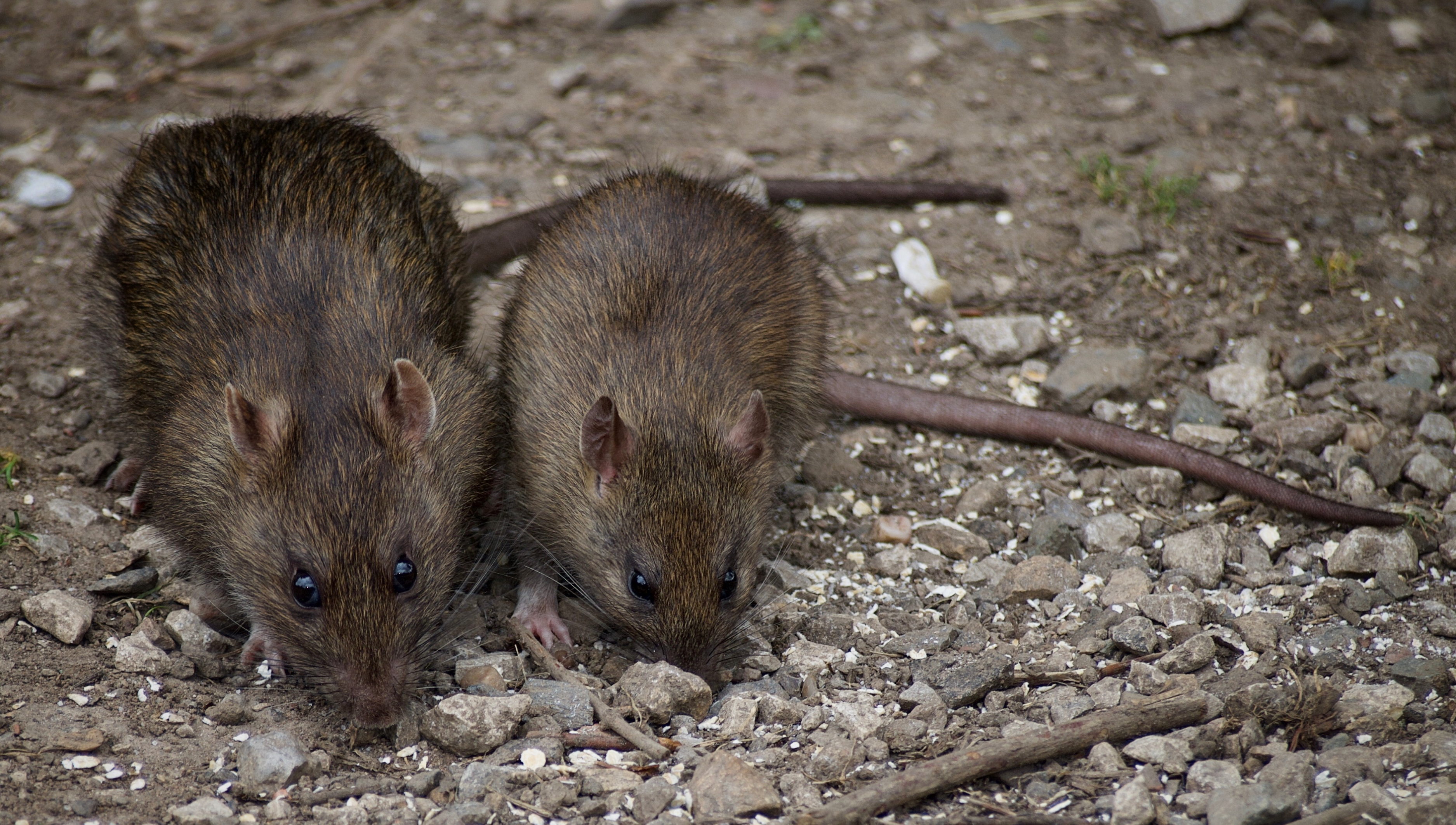
Norway Rats
Elimination
Your Rats Problem, Gone For Good, Guaranteed.
Understanding Norway Rats
Norway rats are formidable pests known for their destructive habits and rapid reproduction. Understanding their biology and habits is crucial for effective control.
Destructive Gnawing
Norway rats constantly gnaw to wear down their incisors, causing damage to walls, pipes, and electrical wiring.
Disease Carriers
They can transmit various diseases, contaminate food sources, and introduce fleas and other parasites.
Rapid Reproduction
With multiple litters per year and a short gestation period, infestations can escalate quickly.
Stealthy Invaders
Their ability to squeeze through small openings and their nocturnal nature make them difficult to detect early.
Norway Rat Facts
Key information about these common pests
Description of Norway Rats
Learn more about the physical characteristics and general habits of Norway Rats.
Key Characteristics
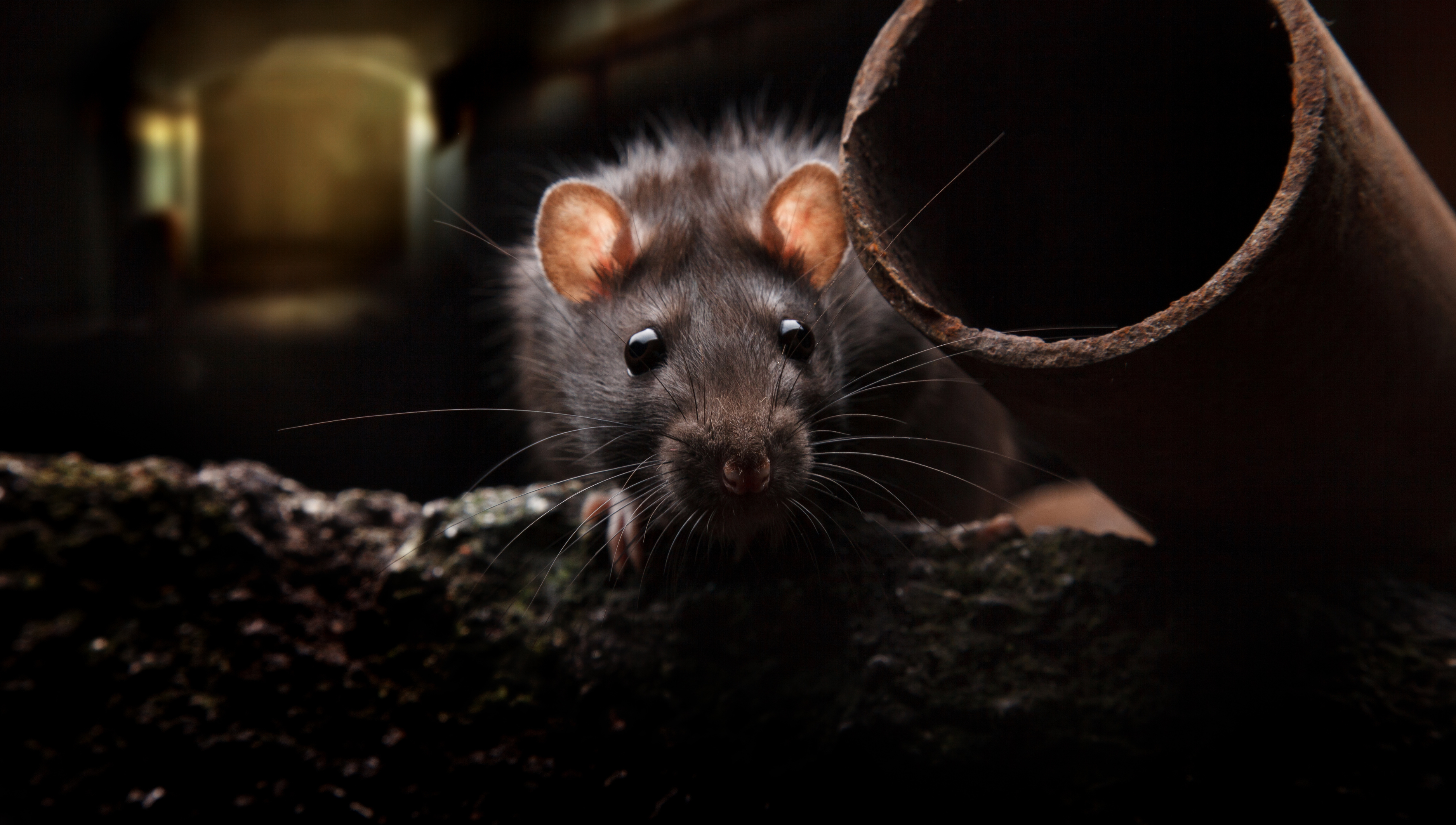
The Norway rat is a larger, stockier rat that prefers to live near ground level. It is usually brown or grey with a body up to 10 inches long. Its fur is brown, its ears are small, its nose is blunt, and its tail is shorter than its body length. Norway Rats can enter through an opening no wider than half an inch. Rats are somewhat color blind.
Habitat and Diet
Nests most often are in burrows dug in the soil, and it is commonly found moving through the sewer and storm drain systems under our cities and neighborhoods. Preferred foods may include meat or fish, so it is common around seaports and waterfront areas. In residential areas it may feed on snails or pet food.
- Nests in burrows, sewers, storm drains
- Prefers meat, fish, snails, pet food
- Commonly found near ground level and water
Life Cycle and Habits of Norway Rats
Understanding how Norway rats live and behave is key to effective exclusion and control.
Biology and Reproduction
The Norway rat can breed throughout the year if conditions are suitable, a female producing up to five litters a year. The gestation period is only 21 days and litters can number up to fourteen, although seven is common. The maximum life span is up to three years, although most barely manage one. Rats are capable of producing up to 25,000 fecal droppings each year.
- Can breed year-round
- Up to 5 litters a year
- Gestation period of 21 days
- Lifespan up to 3 years (typically 1 year)
Common Habits and Behavior
Norway Rats are meat eaters. “Gnawing” is an important habit of all rodents. Gnawing is used to gain access by chewing through walls, doors, or outer packages. Gnawing is used to access water by chewing through pipes, including outdoor irrigation systems. Gnawing is used to acquire nesting materials by chewing on fabrics. Gnawing is also used to eat, by chewing on hard materials such as bait blocks or walnut shells.
Rats do not like daytime activity, and if you see them out and about during daylight hours it may be telling you one of several things: that they are extremely used to you and have gotten bold, they are ill, or there are so many rats they have run out of hiding places. Rats are suspicious, and are more likely to avoid contact with new things in their environment.
- Constant gnawing for access and materials
- Primarily nocturnal, daytime sightings indicate severe infestation
- Suspicious of new objects (neophobia)
Effective Norway Rat Elimination
Our proven 4-step process ensures complete elimination and long-term prevention.
Inspection
Thorough examination to identify entry points, nesting areas, and determine the extent of the Norway rat infestation.
Custom Plan
Develop a targeted treatment strategy based on the specific conditions of your property and the rat activity.
Treatment
Deployment of professional-grade traps, baits, and exclusion methods to eliminate rats effectively.
Prevention
Ongoing monitoring, sealing entry points, and advising on sanitation to prevent future re-infestations.
Advanced Norway Rat Control Techniques
We utilize the latest professional and humane methods for effective Norway rat removal and prevention.
Exclusion & Sealing
Identifying and sealing all potential entry points into your property, ensuring Norway rats cannot regain access.
- Sealing cracks and holes
- Reinforcing vulnerable areas
- Preventing future entry
Strategic Trapping
Placement of professional traps in key areas where rat activity is highest, ensuring effective removal.
- Targeted trap placement
- Monitoring and removal
- Humane options available
Baiting Programs
Safe and secure bait station deployment, strategically placed to eliminate Norway rat populations around your property.
- Professional-grade rodenticides
- Secure, tamper-resistant stations
- Reduced risk to non-targets
Keep Norway Rats Away
Proactive steps you can take to make your property less attractive to Norway rats and prevent infestations.
Maintain Sanitation
Store food in sealed containers, clean up spills immediately, and ensure proper waste disposal with tightly sealed bins.
Seal Entry Points
Inspect your property for cracks, holes, and gaps (even small ones) and seal them with appropriate materials like steel wool, caulk, or metal mesh.
Manage Outdoor Environment
Keep vegetation trimmed back from your home, store firewood away from structures, and eliminate standing water sources.
Talk to an Expert
We’ll be in touch to personalize your pest protection plan:
Need Immediate Norway Rat Control?
Don’t let Norway rats take over your home or business. Our emergency team is ready to respond to severe infestations.