Wasp Control
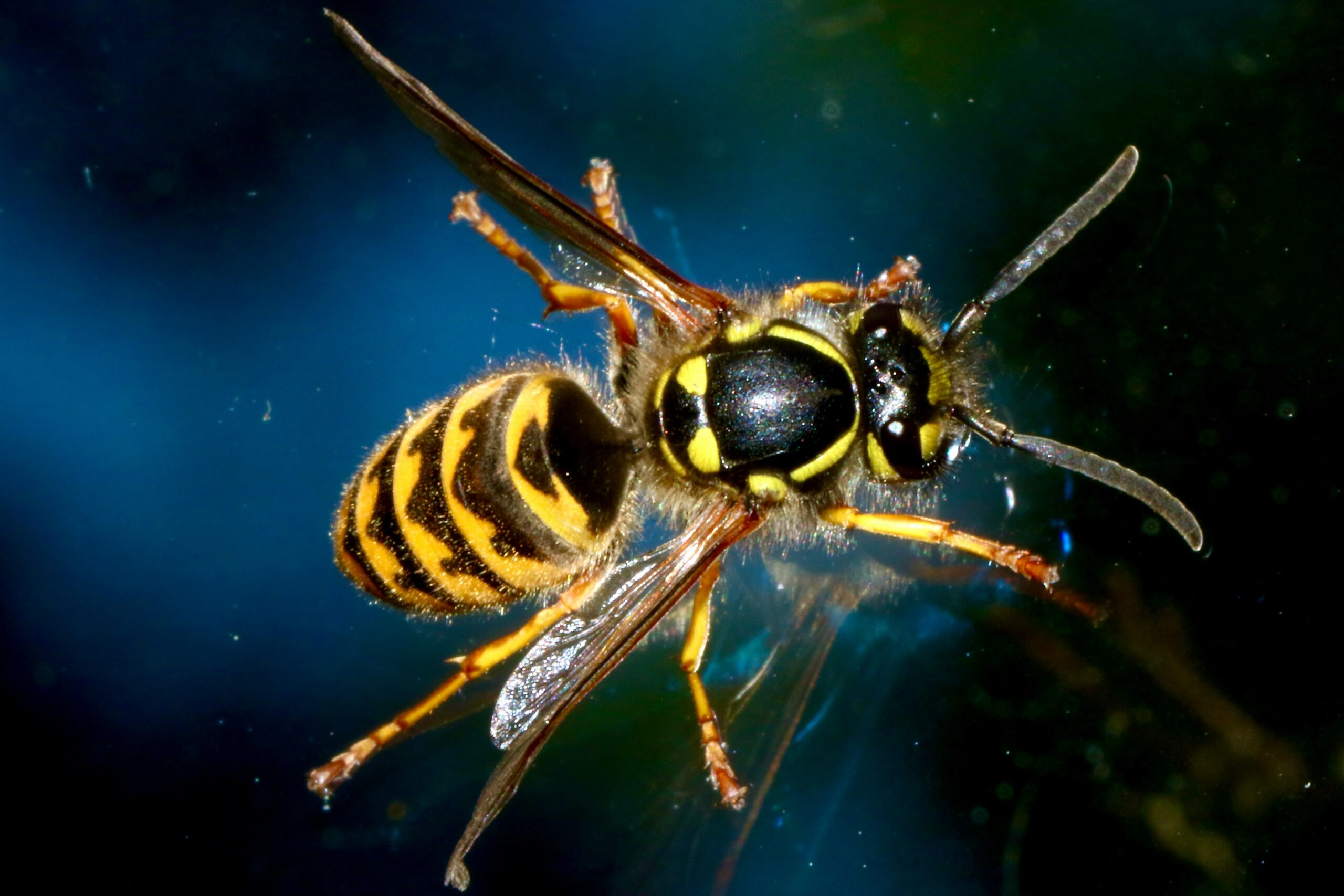
Wasp & Bee Control
Services
Protecting your Home and Family from WASPS, BEES and other STINGING PESTS
Why Wasp and Bee Control is Essential
Encountering stinging pests is far from enjoyable, and at Elevate Pest Control, we specialize in effective wasp control solutions. Spring, summer, and fall mark the peak activity of these pests, and they can be particularly aggressive.
Nests in Homes
We address the presence of wasps inside homes, especially during winter months when they seek refuge around siding cracks and roof lines.
Large Nests
Large nests in eaves and attics are not uncommon, making professional wasp control essential.
Aggressive Behavior
Wasps can be aggressive and capable of multiple stings when threatened, posing a risk to families and pets.

Behavior, Diet, and Habits
Wasp species fall into two categories: social and solitary. Social wasps live in colonies, with female workers handling all nest duties. Solitary wasps, on the other hand, live alone, laying eggs that hatch without the support of a colony. Wasps exhibit diverse feeding behaviors; some are predatory, killing and consuming other insects, while others are parasitic, laying eggs in living creatures like caterpillars. Wasps contribute to biological pest control in agriculture and also function as pollinators, feeding on nectar from flowers.
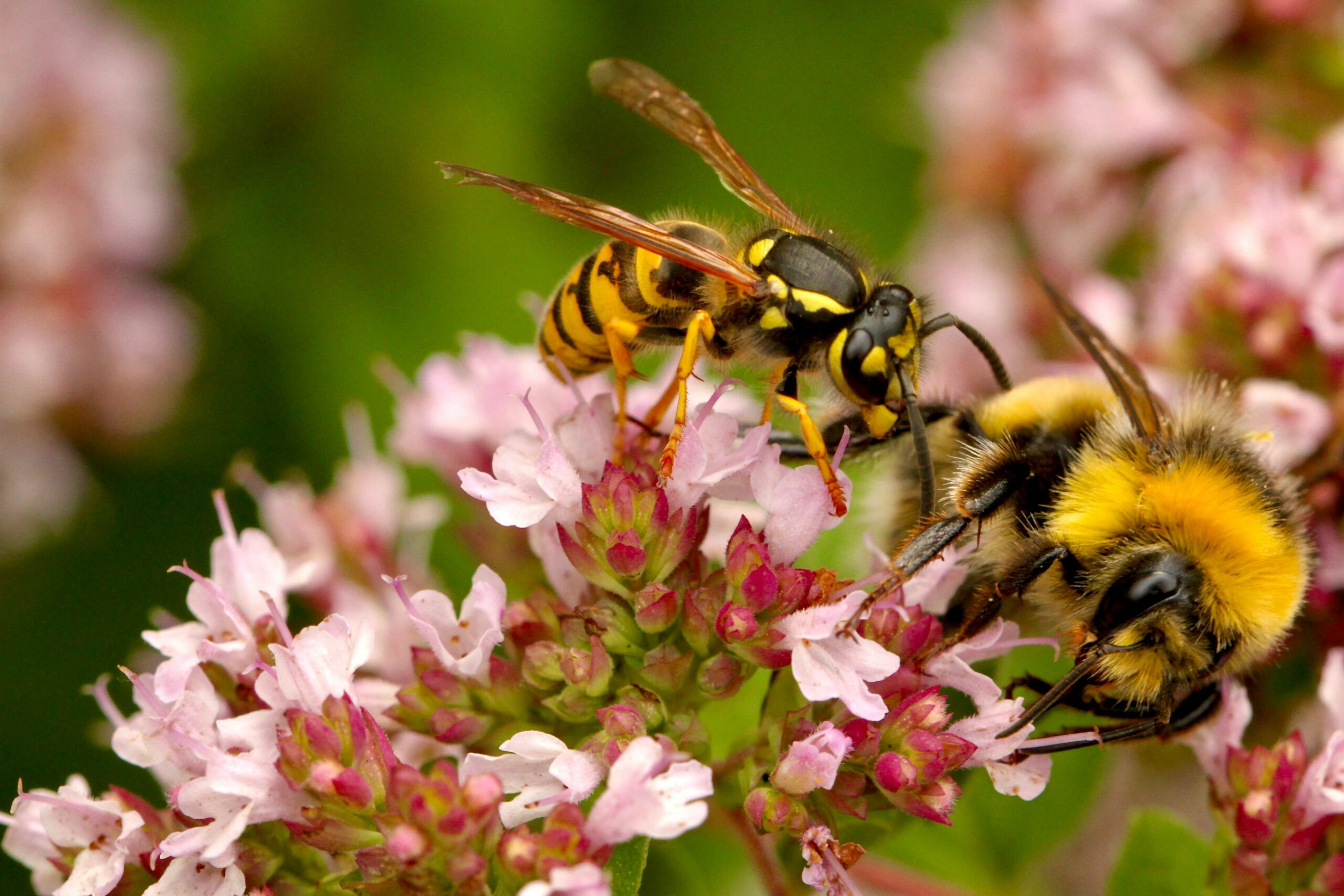
Wasp Reproduction
Late in summer, queens of some species produce unfertilized eggs that develop into males. These males fertilize future queens, which overwinter in sheltered locations. The rest of the colony typically perishes in winter. Come spring, queens lay eggs, producing workers responsible for building nests and feeding larvae. Wasps, though beneficial in many ways, can be aggressive and capable of multiple stings when threatened.
How to Identify a Wasp Infestation
Identifying a wasp infestation depends on the species, but commonly, signs include the presence of workers and nests. Vigilance is crucial, especially if you notice increased wasp activity around your property.
Increased Activity
Noticeably more wasps flying around your property than usual, especially near potential nesting sites.
Visible Nests
Observing paper-like nests under eaves, in attics, sheds, or even underground.
Entry Points
Wasps entering and exiting small openings in walls, siding, or roof lines and other cracks.
Why Elevate Pest Control?
At Elevate Pest Control, we provide the peace of mind that your home and family are protected from unwanted pests. We are committed to providing you with the best pest control and customer service you can find. Live pest-free with Elevate Pest Control!
CALL (435) 753-3825 FOR YOUR FREE ESTIMATE TODAY



Free Pest Control Quote
Get in touch with us today and we’ll give you a free quote.
Call (435) 753-3825
or fill out the form below
Understanding The Seasons
Weather has a profound effect on pest life cycle. Most pests, rodents and insects breed aggressively during spring and go through periods of hibernation during autumn and winter.
Spring
Moisture in the spring enhances breeding grounds for insects. This is the time when pests are laying their eggs and developing their nests. It is important to stay on top of pests before these eggs and immature nymphs develop into breeding adults.
Summer
Pests are in high gear in the summer. If the immature stages of the pests were not controlled earlier, they are now reproductive adults. The offspring of these reproducing adults are out foraging for food and water to continue their exponential development.
Autumn
As the evenings and mornings begin to cool, insects get the signal it is time to find a nesting site for the winter. The warmth and protection of your home becomes a very attractive harborage. Spiders actually follow their prey as they move into warmer structures.
Winter
Colder weather has arrived and the pests are set in their nesting sites. Insects do not die off in the winter and magically reappear in the spring – they continue to feed and breed, although at a slower pace. Pests who have found their way into your home enjoy the warmth and continue to function.
Need Immediate Wasp & Bee Control?
Don’t wait for the problem to get worse. Our emergency team is ready to respond 24/7 to severe infestations.