Clover Mites

Clover Mites:
Gone For Good, Guaranteed.
Elevate Pest Control offers expert solutions to eliminate clover mite infestations from your home or business, protecting your property with effective and guaranteed treatments.
Description of Clover Mites
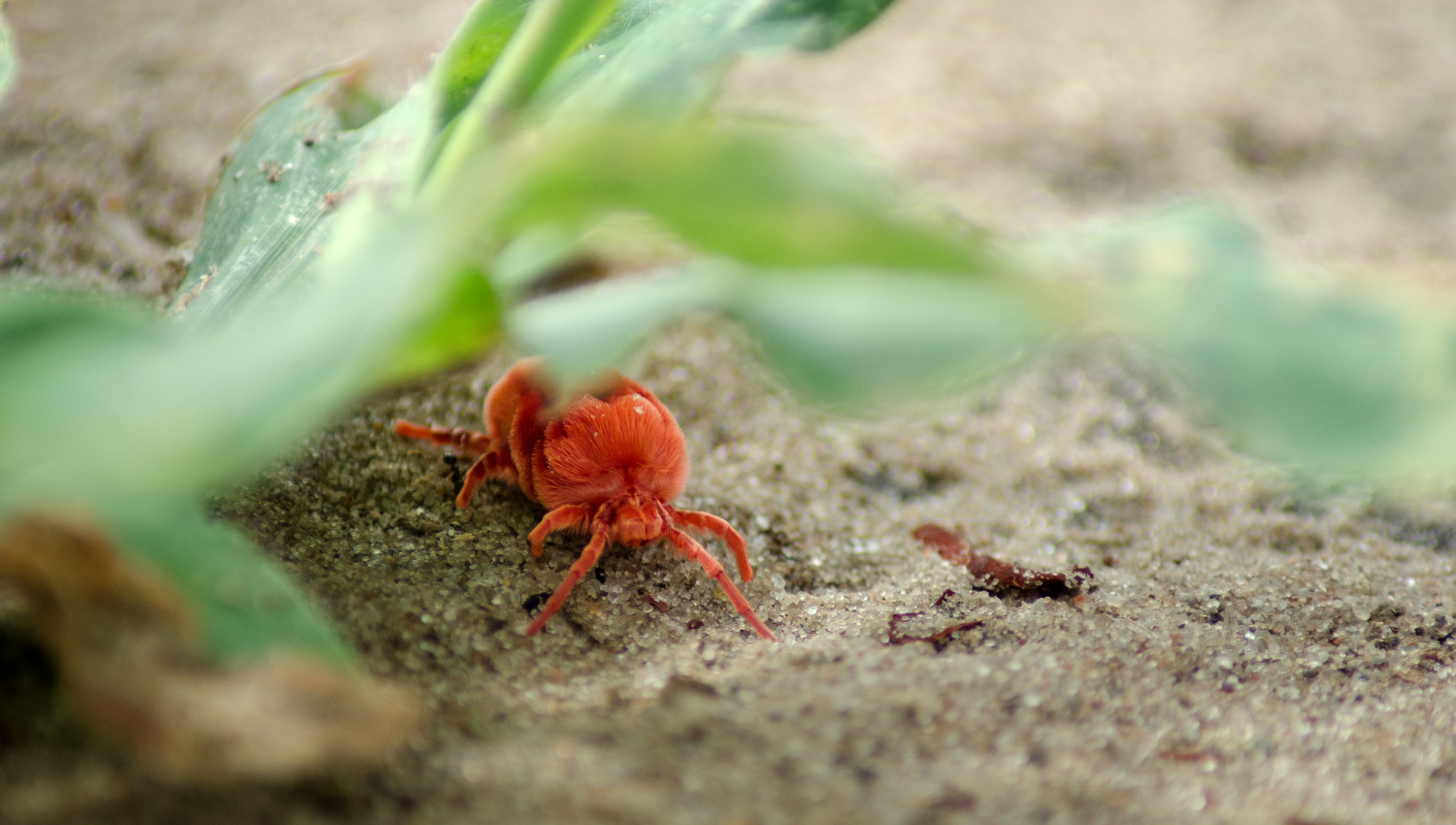
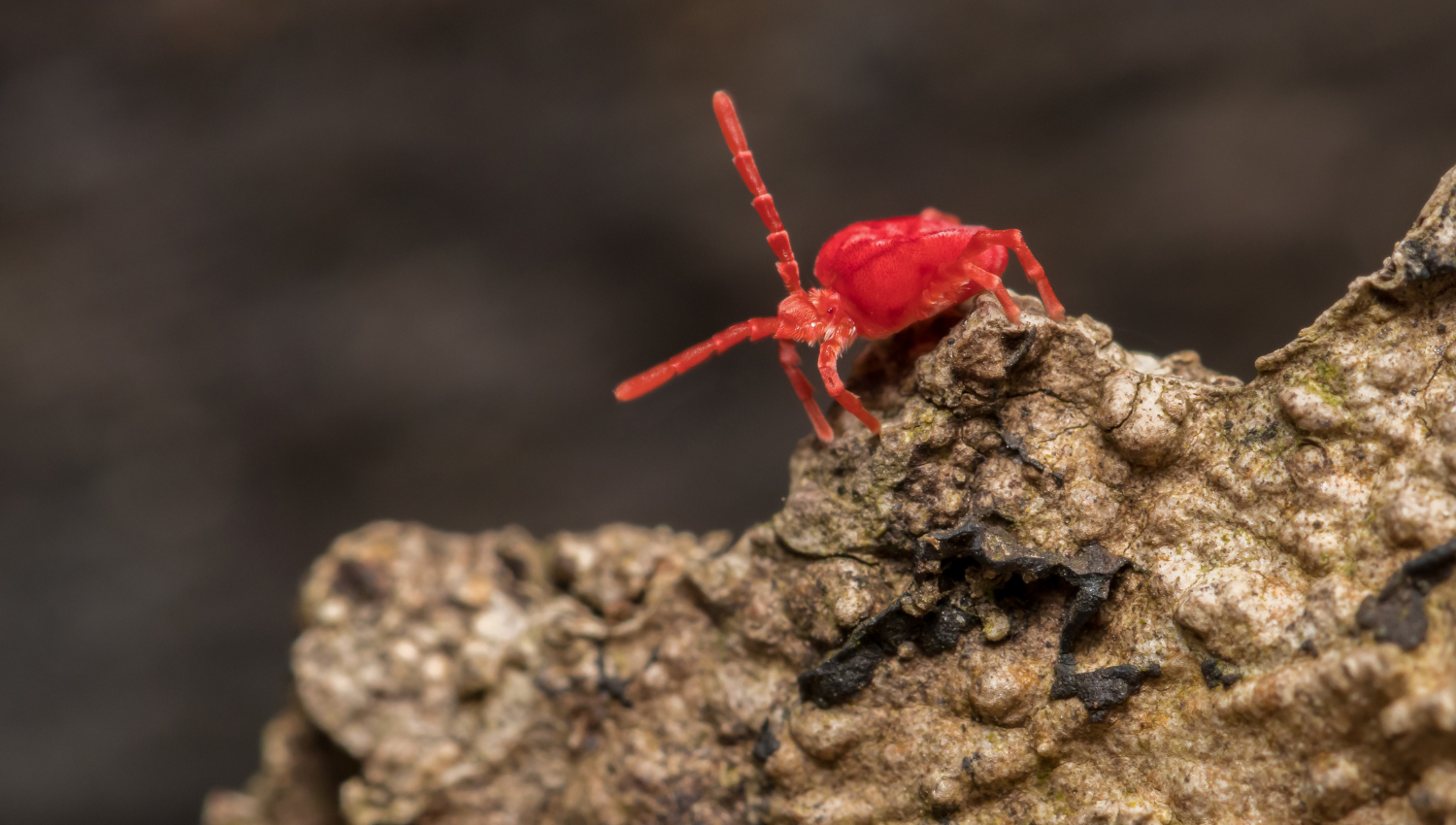
Clover mites are tiny, reddish-brown arachnids that feed on plants and grasses. They are known for their ability to infest homes in large numbers, particularly during specific seasons. Unlike many other mites, clover mites have unusually long front legs, which some people might mistake for antennae. They do not bite people or pets, nor do they cause structural damage, but their sheer numbers can be a nuisance. When crushed, they leave a reddish stain, which can be problematic on carpets, walls, and furniture.
Understanding the Clover Mite Life Cycle
Clover mites have a fascinating life cycle that contributes to their rapid population growth. Females are parthenogenetic, meaning they lay eggs without fertilization by a male. Approximately 70 eggs are deposited in the fall in protected locations such as on building foundations and under the bark of trees. These eggs typically do not hatch unless the temperature is between 40 and 70°F.
In the spring, these eggs hatch into the six-legged larval stage, which then molts into the protonymph, followed by the deutonymph. The developmental time from egg to adult can take anywhere from one to seven months, depending on prevailing environmental conditions. Understanding this cycle is crucial for effective control and prevention strategies.
Clover Mite Habits and How They Affect Your Home
Clover mites are primarily plant feeders, known to infest over 200 different plants. Their habits often bring them into close contact with human structures, leading to infestations.
Plant Feeders
Clover mites thrive by feeding on a wide variety of plants, leading to their presence in gardens and lawns. They specifically target lush, well-fertilized lawns and shrubbery.
Overwintering & Invasions
They can overwinter as adults or eggs. In tremendous numbers, they often move into buildings in the autumn when outdoor vegetation begins to die, seeking shelter indoors.
Seasonal Influx
In spring, a large influx indoors is common, especially after recent mulching and the onset of higher temperatures, as new populations emerge and seek new environments.
Staining Potential
A significant concern with clover mite infestations is their tendency to leave red stains if crushed. This can damage walls, floors, curtains, and other furnishings inside your home.
Nuisance Pest
While not directly harmful to humans or structures, their presence in vast numbers makes them a significant nuisance, necessitating professional pest control.
Perimeter Proximity
Large populations often build up around structures where there is abundant vegetation, making the transition indoors easy when conditions become unfavorable outside.
Protect Your Home from Clover Mites
Don’t let clover mites take over your living space. Contact us today for a free inspection and effective treatment!