HORNETS
Hornet Control
Experts
Your Hornet Problem, Gone For Good, Guaranteed. Fast, effective hornet nest removal and prevention.
Description and Biology
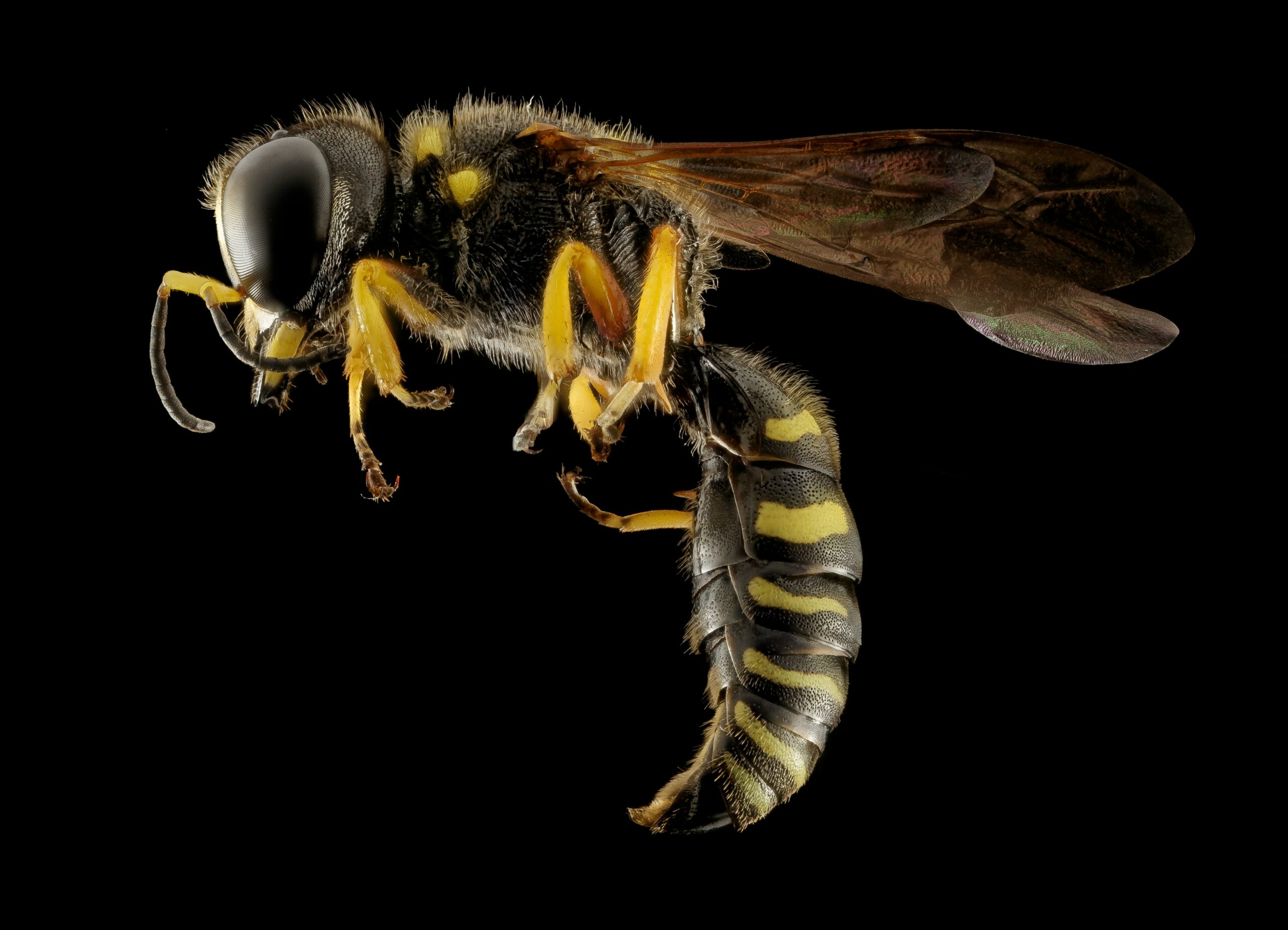
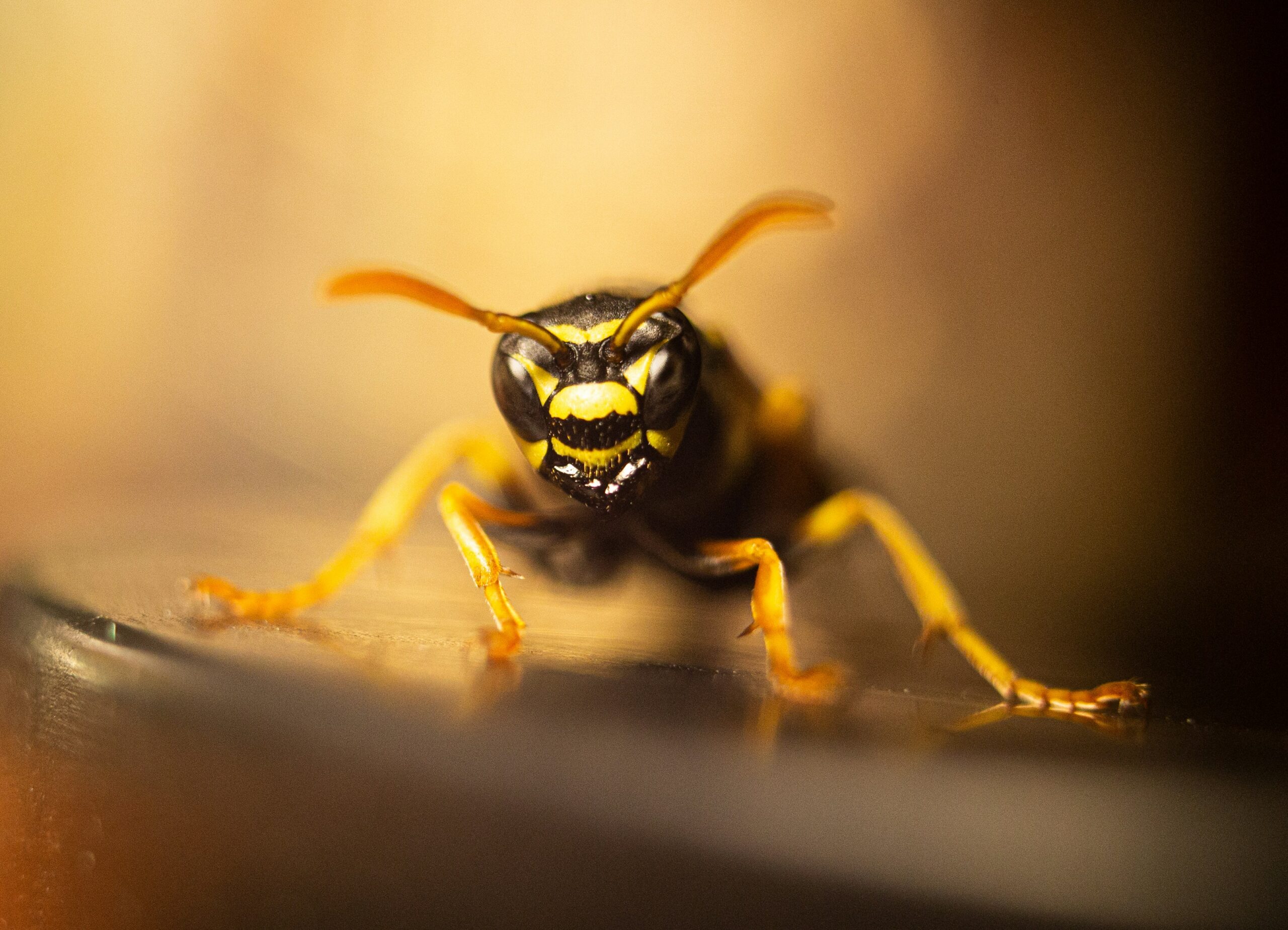
The bald-faced hornet is 1/2 to 5/8 in long. It is black with white markings on the face, the thorax, the last few segments of the abdomen, and the first segment of the antennae. The wings are smoke-colored and the eyes are brown.
Every year, queens that were born and fertilized at the end of the previous season begin a new colony. The queen selects a location for its nest, begins building it, lays a first batch of eggs and feeds this first group of larvae. These become workers and will assume the chore of expanding the nest is done by chewing up wood which is mixed with a starch in their saliva. This mixture is then spread with their mandibles and legs, drying into the paper-like substance that makes up the nest. The workers also guard the nest and feed on nectar, tree sap and fruit pulp. They also capture insects and arthropods, which are chewed up to be fed to the larvae. This continues through summer and into fall. Near the end of summer, or early in the fall, the queen begins to lay eggs which will become drones and new queens. After pupation, these fertile males and females will mate, setting up next year’s cycle of growth. As winter approaches, the hornets die except any just-fertilized queens. These hibernate underground or in hollow trees until spring. The nest itself is generally abandoned by winter, and will most likely not be reused. When spring arrives, the young queens emerge and the cycle begins again.
Hornet Facts
Understanding these aggressive pests
Habits & Risks
Understanding hornet behavior is key to managing potential threats around your home.
Nesting Locations
The nest of the bald-faced hornet can be found hanging from trees, bushes and buildings. A bald-faced hornet nest can grow to be as large as a basketball within a number of months, containing as many as 700 workers.
Aggressive Stinging
Bald-faced hornets will sting repeatedly if disturbed. Like other stinging wasps, they can sting repeatedly because the stinger does not become stuck in the skin.
Beneficial Predators, but…
While bald-faced hornets do prey upon other pests and can prove beneficial, their nests should not be permitted to develop near a home. Workers are protective and aggressive when disturbed.
Professional Hornet Removal
Our proven 4-step process ensures complete elimination and long-term prevention
Inspection
Thorough examination to locate nests, identify hornet species, and assess infestation level.
Custom Plan
Develop a targeted removal strategy based on nest location, size, and your property’s unique conditions.
Treatment & Removal
Safely and effectively eliminate the hornet nest using professional-grade products and removal techniques.
Prevention
Advice and steps to reduce the likelihood of future hornet nest construction on your property.
Talk to an Expert
We’ll be in touch to personalize your pest protection plan:
Need Immediate Hornet Removal?
Bald-faced hornets can be aggressive and their stings painful. Don’t risk it – contact us for safe and rapid professional nest removal.