HOUSE CRICKETS
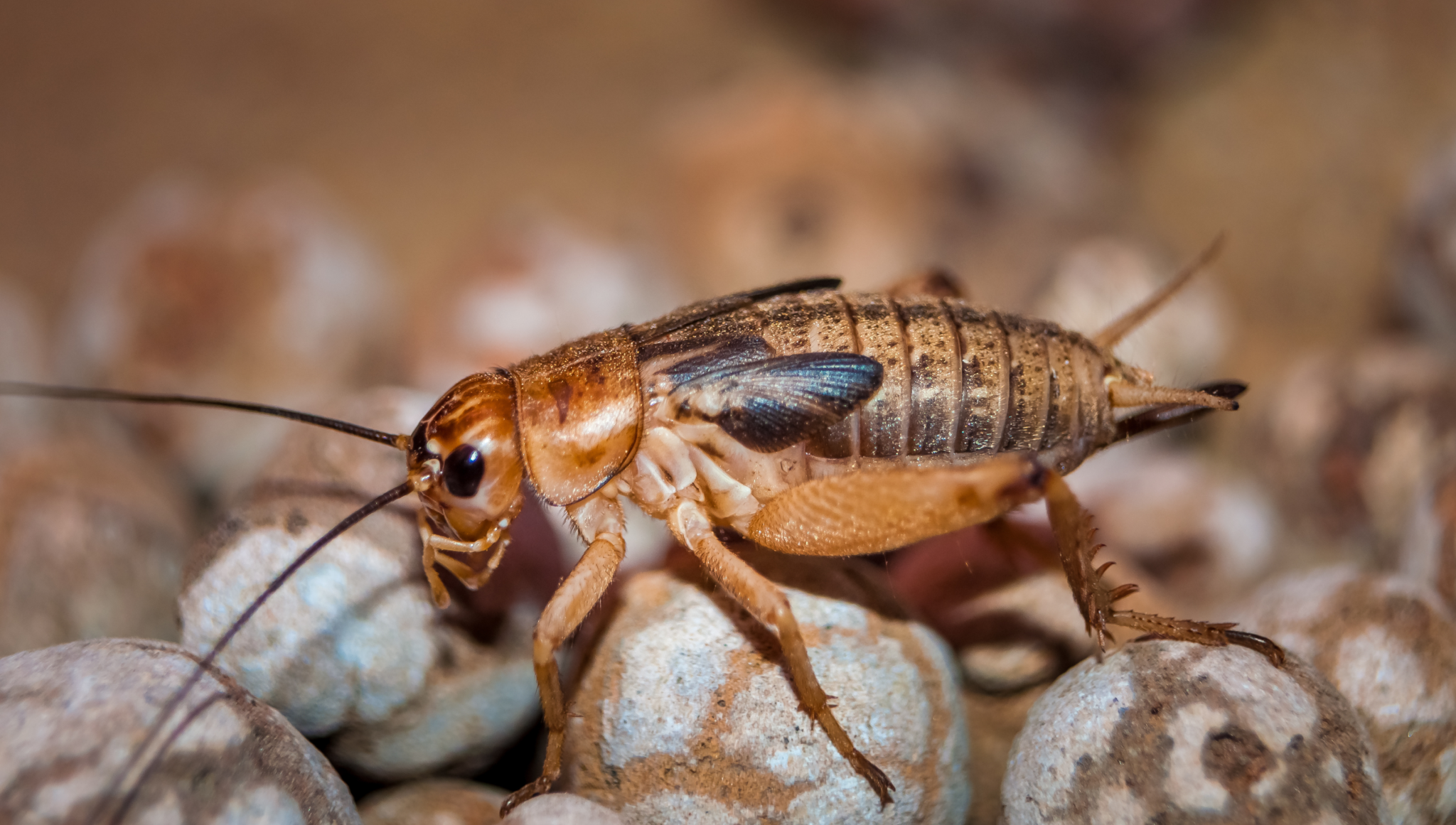
HOUSE CRICKET
Control
Your cricket problem, Gone For Good, Guaranteed.
Understanding House Crickets
House crickets are known for their distinctive chirping sounds and can become a nuisance indoors. While primarily outdoor insects, they seek shelter indoors when temperatures drop or moisture levels become favorable.
Disturbing Chirping
Male crickets make loud chirping noises, especially at night, which can disrupt sleep and peace.
Fabric Damage
House crickets can damage clothing and other fabrics, including synthetics, by eating large holes.
Hiding in Warm Places
They are active at night, hiding in dark, warm places during the day, making them difficult to locate.
Attracted to Lights
Crickets are often attracted to lights, leading to large numbers congregating near homes.
Cricket Facts
Get to know the house cricket
The Lifecycle and Behavior of House Crickets
Understanding their biology and habits is key to effective control.
Biology
Outdoors, female house crickets lay on average of 728 eggs in protected areas. Eggs are in the overwintering stage outdoors. The eggs hatch in late spring, and nymphs reach the adult stage by late summer. House crickets in the wild have only one generation per year.
Habits
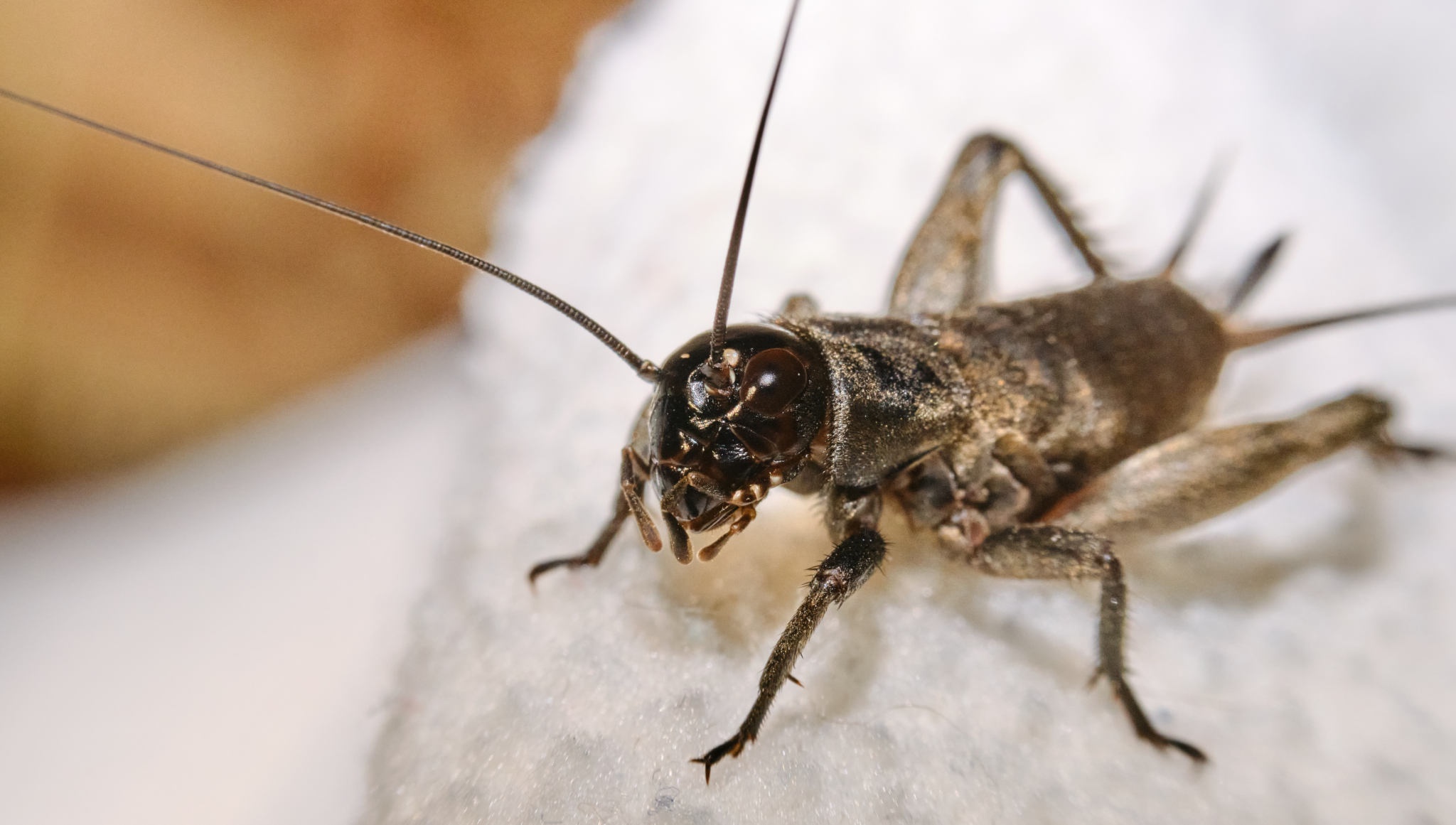
House crickets are seldom a major problem in structures as they prefer to live outside during warm weather. They move indoors when it gets colder and to find moisture. House crickets damage clothing and other fabrics including synthetics. They eat large holes in fabric as opposed to smaller holes caused by common fabric pests. Some people object to their presence and the chirping noise produced by males as they rub their wings together. Crickets are active at night, hiding in dark warm places during the day. They are attracted to lights, often by the thousands.
Professional House Cricket Elimination
Our proven process ensures complete elimination and long-term prevention.
Inspection
Thorough examination to identify cricket entry points, harborage areas, and infestation severity.
Custom Plan
Develop targeted treatment strategy based on your property’s unique conditions and cricket activity.
Treatment
Apply professional-grade products to eliminate existing crickets and reduce populations.
Prevention
Ongoing monitoring and maintenance to prevent re-infestation, including sealing entry points.
Keep House Crickets Out
Simple steps to reduce cricket attraction and prevent future infestations.
Seal Entry Points
Caulk cracks and crevices around foundations, windows, and doors to block entry.
Reduce Moisture
Repair leaky pipes and ensure proper drainage around your home. Use dehumidifiers in damp areas.
Modify Lighting
Use yellow or sodium vapor lights outdoors, which are less attractive to crickets than white lights.
Maintain Landscaping
Keep grass cut short and clear away leaf litter and debris from your home’s foundation.
Talk to an Expert
We’ll be in touch to personalize your pest protection plan:
Tired of Cricket Chirping?
Don’t let house crickets disturb your peace. Contact us for fast and effective control. Our team is ready to help resolve your cricket problem.