HOUSE SPIDERS
HOUSE SPIDERS
Gone For Good
Your spider problems, Gone For Good, Guaranteed.
What Are House Spiders?
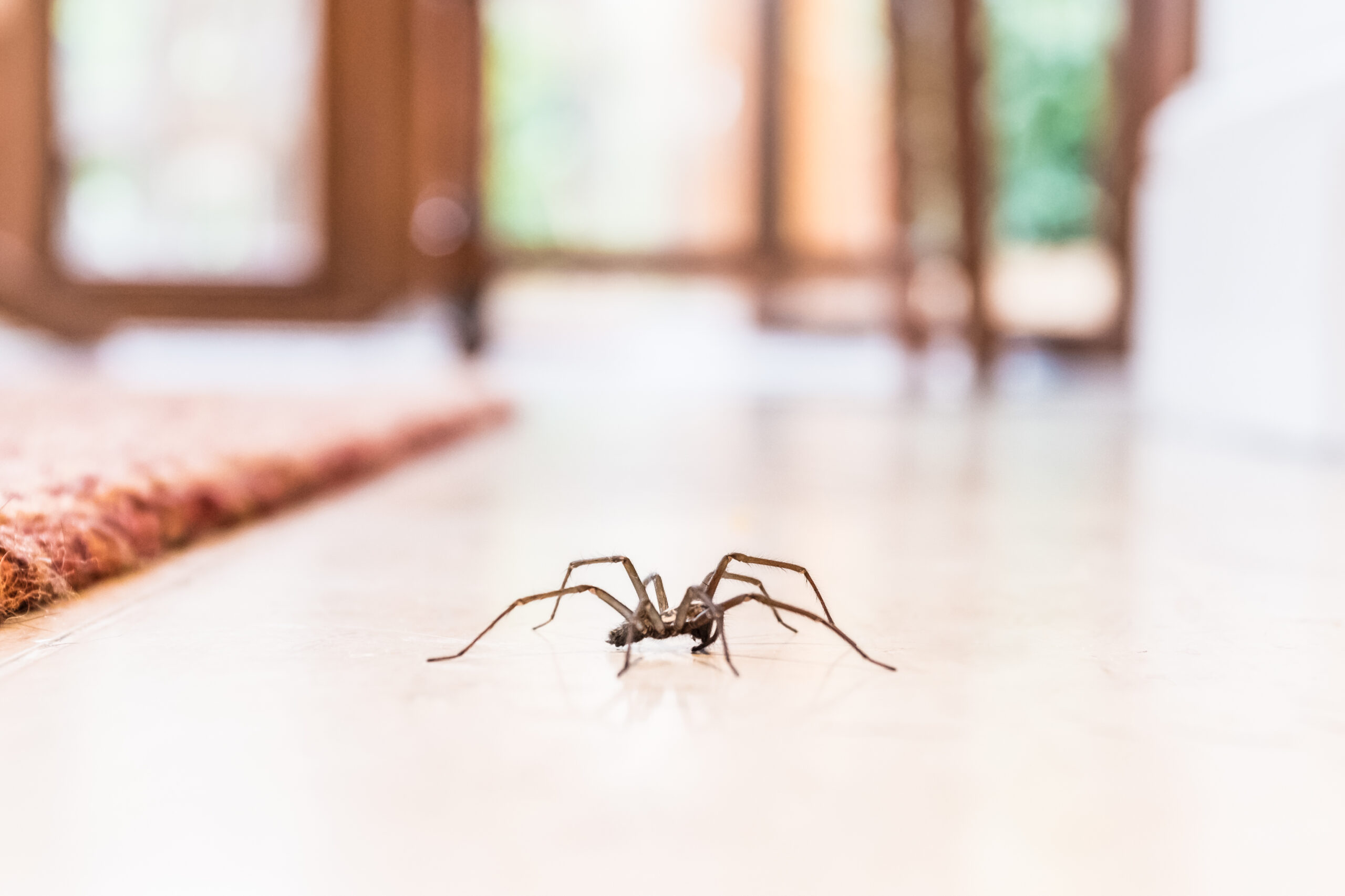
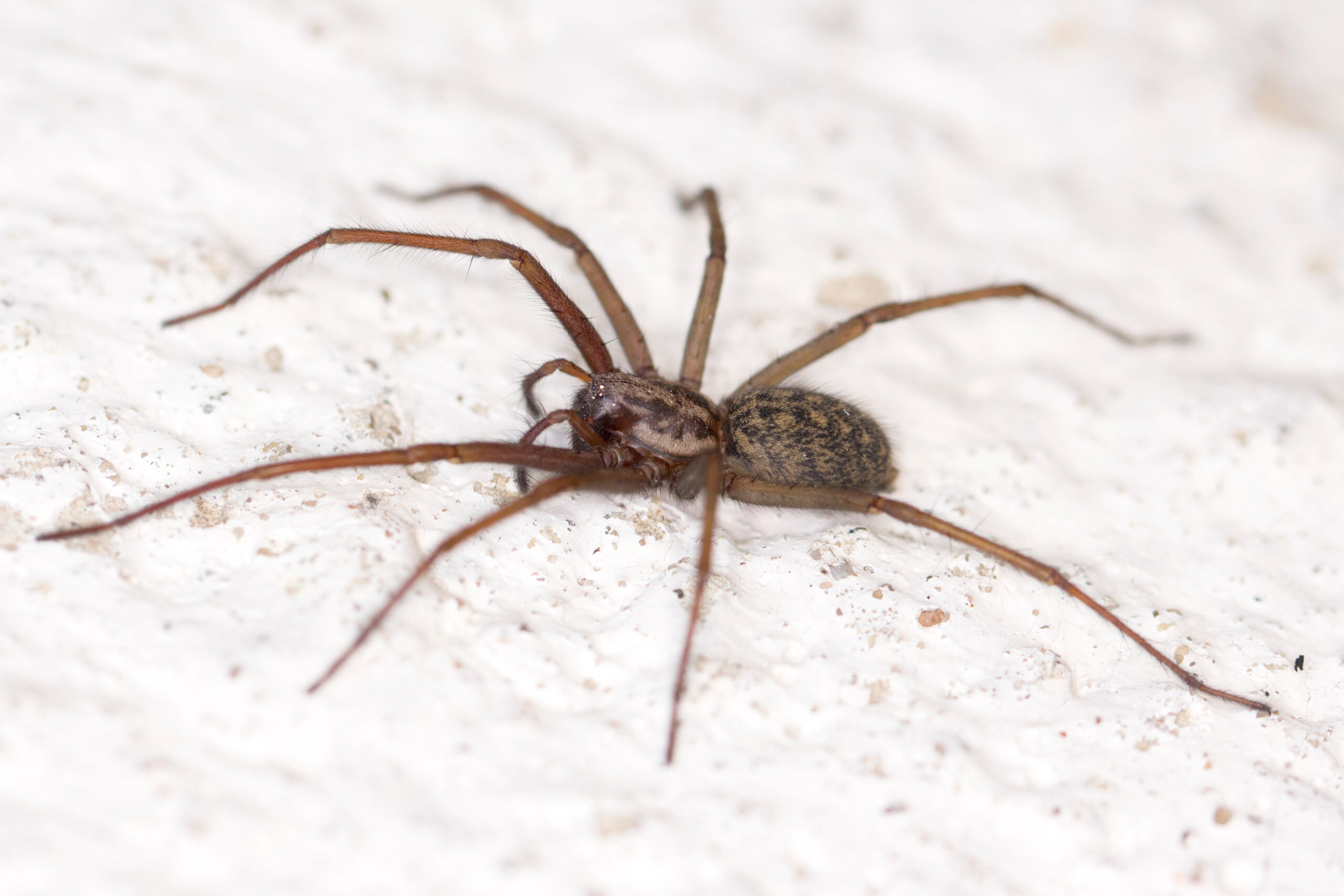
House spiders are the most frequently found in human dwelling places. Some of the more prevalent house spider species include the common house spider, the domestic house spider, the aggressive house spider and the brown house spider. Their exteriors and sternums are yellow or brown in color. Their abdomens are gray and marked with white, while their legs are brown and darkly banded. Males are smaller than females, measuring only four millimeters in length as opposed to the female’s eight.
House Spider Biology
Female common house spiders deposit as many as 250 eggs into a sac of silk. These sacs are often brown in color and are flask-like in shape. Females produce up to 17 of these sacs during a lifetime, resulting in more than 4,000 eggs.
Within a week, spiderlings hatch and begin to undergo a series of instars. The first instar takes place inside the egg sac. Spiderlings in the first instar do not nourish themselves, while those in the second instar consume premature eggs. After hatching, air currents disperse surviving spiderlings on threads of silk. This process, known as ballooning, allows spiders to populate habitats far from their origin. Adult spiders may survive for more than a year.
Understanding House Spider Habits
House spider webs are typically funnel-shaped and can be located in various places within a home, including windows, ceiling corners and above or beneath fixtures. House spider webs are large and constructed of thin silk threads. They serve both as dwelling places and as traps for prey. House spider prey is paralyzed by venom injection before being broken down by digestive juices. As a result, prey is liquefied to allow for consumption.
Keep Spiders Out Of Your Home
Simple steps to reduce spider attraction and prevent future infestations.
Seal Entry Points
Seal cracks and crevices in your home’s foundation, walls, and around windows and doors.
Reduce Clutter
Spiders love to hide in cluttered areas. Keep your home tidy, especially basements, attics, and garages.
Outdoor Lighting
Switch to yellow or sodium vapor lights outdoors, as white lights attract insects that spiders feed on.
Talk to an Expert
We’ll be in touch to personalize your pest protection plan:
Need Immediate Spider Control?
Don’t let spiders take over your home. Our experts are ready to help eliminate them quickly and efficiently.