MILLIPEDES
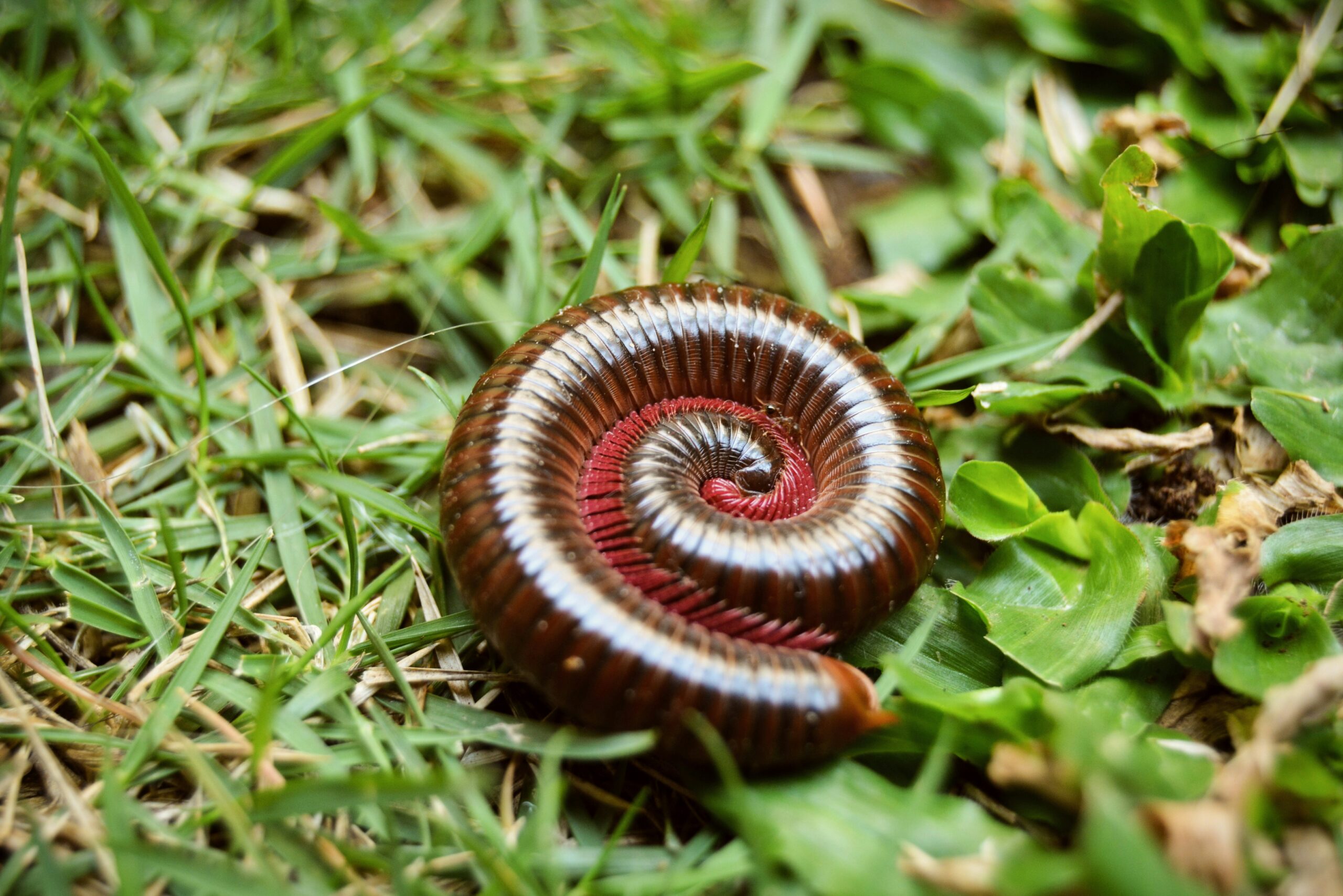
Millipede Control
Experts
Your Millipede problems, Gone For Good, Guaranteed. Get expert solutions for millipede infestations.
Understanding Millipedes and Their Invasion
Millipedes are primarily outdoor decomposers, but certain conditions can drive them into homes, sometimes in overwhelming numbers. While not harmful to humans or structures, their presence can be unpleasant.
Structural Pests
Millipedes become structural pests when environmental changes like standing water or drought force them indoors.
Mass Invasions
They can invade homes and other structures in staggering numbers, especially during migratory and mating seasons in the fall.
Defensive Secretions
Most species produce a foul-smelling fluid that can cause blisters on human skin, acting as a defense mechanism.
Nocturnal Activity
Millipedes are active at night, scavenging on decaying organic matter.
Millipede Description
Key characteristics to identify millipedes
Millipede Biology and Behavior
Understanding their life cycle and habits is crucial for effective control.
Biology
Females lay 20-300 eggs in nests in the soil. The eggs hatch after several weeks. The young initially have only three pairs of legs and seven segments. They undergo a series of seven to ten molts during which the number of legs and segments increase. Adults can live several years. Most species overwinter as adults or young.
Habits
Millipedes are found outdoors in situations where there is moisture and decaying organic matter, such as under trash, grass clippings, mulch, rotting firewood, leaf litter, etc. They can build up tremendous populations in forest litter and compost heaps. Millipedes became structural pests when they invade homes and other structures, sometimes in staggering numbers. This occurs when standing water in their natural habitat forces them out. Indoor movement is also caused by drought and their natural migratory and mating instincts in the fall. Millipedes are active at night. They scavenge feed on decaying organic matter. Most species produce a foul-smelling fluid that comes from the side of their bodies and is toxic to some insects and small animals. The substance can cause blisters on human skin.
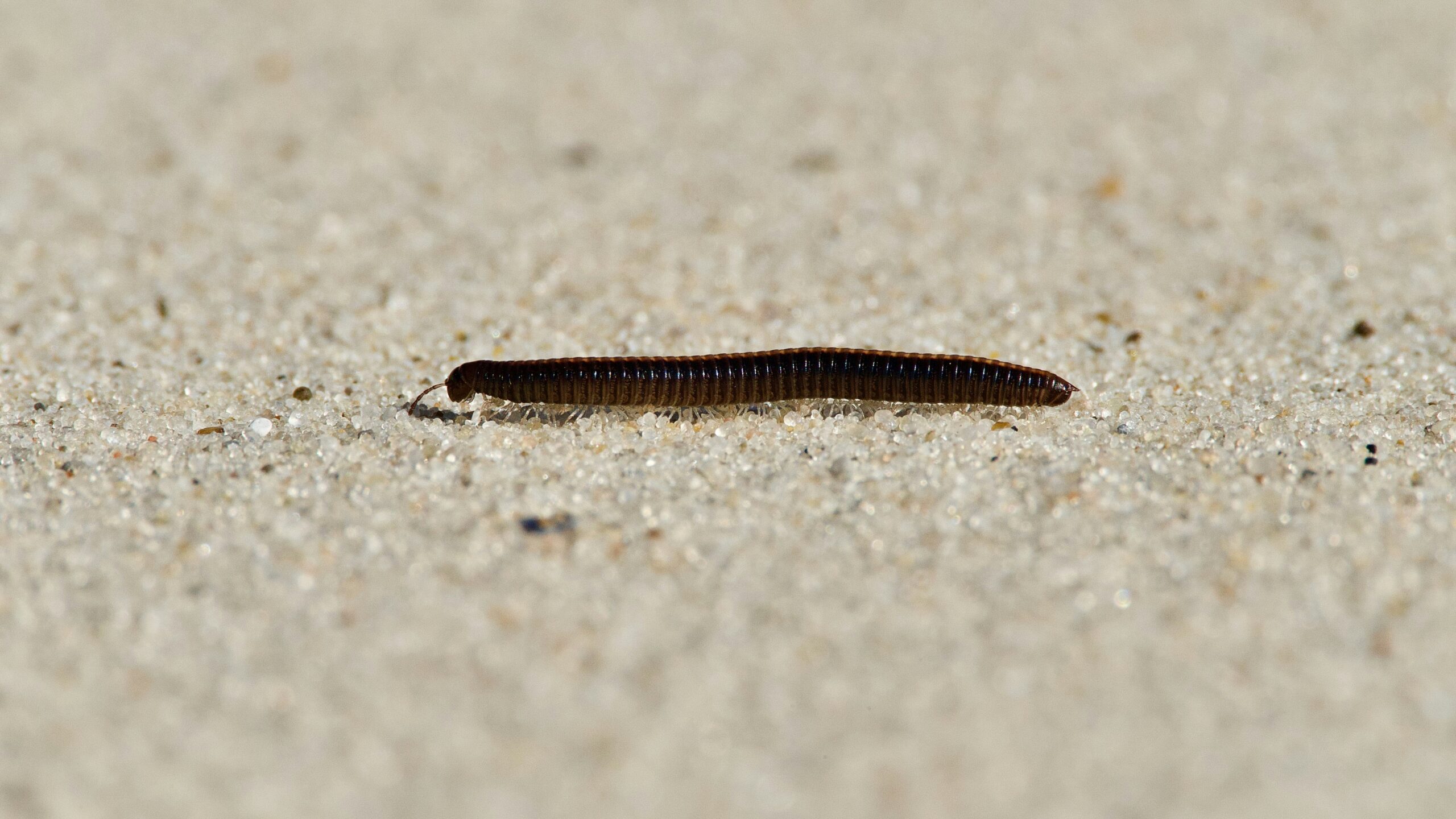
Professional Millipede Elimination
Our proven 4-step process ensures effective control and long-term prevention.
Inspection
Thorough examination to identify millipede presence, entry points, and moisture sources.
Custom Plan
Develop a targeted treatment strategy based on the severity of the infestation and your property’s specific needs.
Treatment
Apply professional-grade solutions to create barriers and eliminate existing millipedes.
Prevention
Recommendations for moisture control and exclusion to prevent future millipede invasions.
Our Advanced Millipede Control Strategies
We use effective and environmentally responsible methods to control millipedes.
Exterior Perimeter Treatment
Application of professional-grade repellents and insecticides around the exterior of your home, creating a protective barrier.
- Blocks entry points
- Reduces outdoor populations
- Prevents indoor migration
Moisture Management
Addressing underlying moisture issues that attract millipedes, such as leaky pipes, poor drainage, and excessive humidity.
- Eliminates attractants
- Reduces favorable habitats
- Long-term prevention
Habitat Modification
Recommendations and assistance with removing conducive conditions like leaf litter, excessive mulch, and decaying organic matter near the foundation.
- Removes harborage sites
- Deters breeding
- Eco-friendly approach
Keep Millipedes Away from Your Home
Simple yet effective steps you can take to minimize millipede infestations.
Clear Debris
Remove leaf litter, grass clippings, mulch, and rotting wood from around your foundation.
Control Moisture
Fix leaky faucets and pipes, improve drainage around the house, and use dehumidifiers in damp areas.
Seal Entry Points
Caulk cracks and crevices in your foundation, seal gaps around doors and windows, and repair damaged screens.
Talk to an Expert
We’ll be in touch to personalize your pest protection plan:
Need Immediate Millipede Control?
Don’t let millipedes overrun your home. Our emergency team is ready to respond to severe infestations.